What you’ll learn:
- The importance of using a meat probe for cooking pork shoulder butt
- How to identify the optimal locations to insert the probe
- Tips for monitoring the temperature and cooking the pork shoulder butt for optimal results
Case Study: Perfectly Juicy Pork Shoulder Butt with Proper Probe Placement
One avid home cook, Sarah, was determined to master the art of cooking a juicy and tender pork shoulder butt. She had tried various techniques but was always left disappointed with the results. That’s when she stumbled upon the importance of using a meat probe for achieving the perfect texture.
Sarah followed the guide’s instructions and selected a high-quality boneless pork shoulder butt. She carefully trimmed excess fat and marinated it overnight with her favorite blend of spices. The next day, she was ready to put her new knowledge into practice.
Referring to the diagram provided in the article, Sarah identified the optimal locations for inserting the meat probe. She took extra caution to avoid bones and excessive fat, ensuring accurate readings. With the probe inserted into the thickest part of the meat, Sarah was ready to start cooking.
Using her trusty smoker, Sarah monitored the temperature of the pork shoulder butt throughout the cooking process. She aimed for an internal temperature of 195°F (90°C) for the perfect tenderness. As the temperature rose, Sarah noticed how the meat transformed, becoming more succulent and flavorful.
After a few hours, the meat probe signaled that the pork shoulder butt had reached the desired temperature. Sarah carefully removed it from the smoker and allowed it to rest for 20 minutes. During this time, the juices redistributed, resulting in a moist and juicy final product.
With great anticipation, Sarah began carving the pork shoulder butt. She followed the article’s instructions, slicing against the grain to maximize tenderness. As she served the perfectly cooked pork, Sarah couldn’t help but feel proud of her accomplishment.
Sarah’s experience taught her the importance of proper probe placement when cooking pork shoulder butt. By using a meat probe and monitoring the temperature, she was able to achieve the desired texture and flavor she had been striving for. Now, she confidently shares her newfound knowledge with friends and family, impressing them with her perfectly juicy pork shoulder butt.
Cooking pork shoulder butt to perfection requires precision and attention to detail. One essential tool in achieving tender and juicy results is a meat probe. In this comprehensive guide, we will explore the importance of using a meat probe, the significance of probe placement, and how to achieve optimal tenderness and juiciness through proper probing techniques.
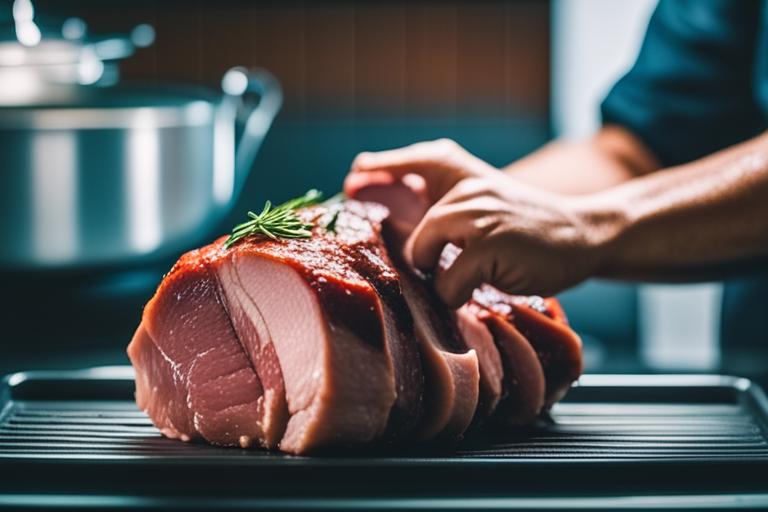
Importance of using a meat probe for cooking pork shoulder butt
Using a meat probe is crucial when cooking pork shoulder butt because it allows you to accurately monitor the internal temperature of the meat. This is essential because pork shoulder butt requires slow and low cooking to break down tough connective tissues and develop a moist and succulent texture. By using a meat probe, you can ensure that the pork shoulder butt is cooked to the ideal internal temperature, resulting in tender and flavorful meat.
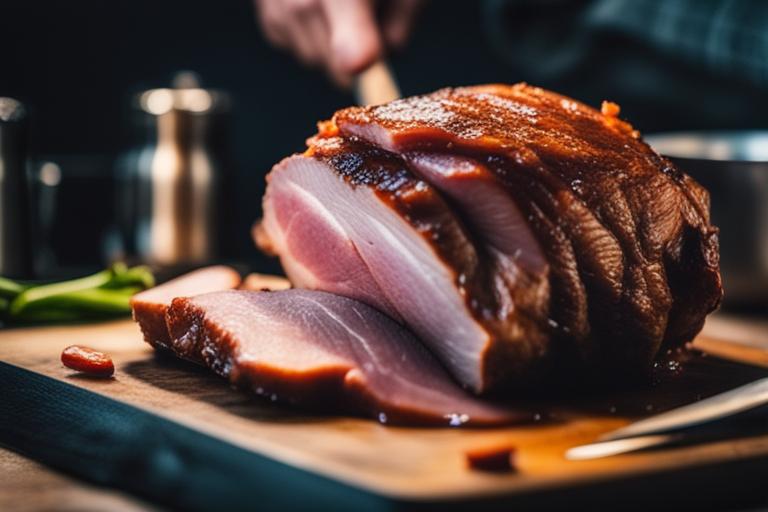
Achieving tenderness and juiciness through proper probing
Proper probe placement and monitoring of the internal temperature are key factors in achieving tenderness and juiciness in pork shoulder butt. The connective tissues in this cut need to reach a specific temperature to break down and become tender. Without a meat probe, it can be challenging to determine precisely when the meat has reached this point. By using a probe, you can avoid undercooking or overcooking the meat, ensuring a moist and tender result every time.
| Cut | Advantages | Considerations |
|---|---|---|
| Bone-in | – Provides added flavor from the bone | – May require longer cooking time due to the bone |
| Boneless | – Easier to handle and carve | – May cook faster than bone-in cuts |
| Skin-on | – Can result in crispy and flavorful skin | – Requires additional preparation and cooking techniques to achieve desired crispy skin |
| Boneless, skinless | – Quicker cooking time | – May lack some flavor and texture compared to bone-in and skin-on cuts |
| Rolled | – More uniform shape for even cooking | – May require additional trussing or tying to maintain shape during cooking |
| Whole | – Provides the most versatility for cooking methods and presentation | – May require longer cooking time compared to smaller cuts |
| Cubed | – Allows for faster cooking times and versatility in recipes | – May dry out more quickly if not cooked properly |
| Sliced | – Provides thinner cuts for faster and more even cooking | – Requires precision to ensure even thickness |
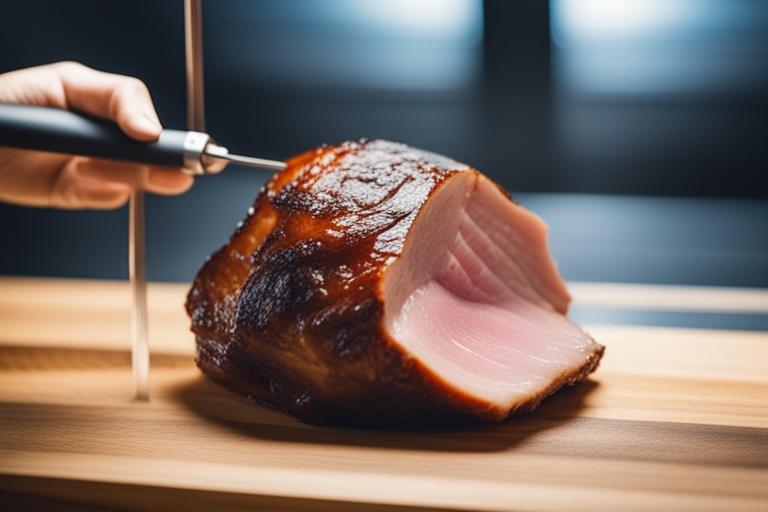
Significance of knowing the correct locations to insert the probe
Knowing the correct locations to insert the meat probe is essential for accurate temperature readings. Different sections of the pork shoulder butt may cook at slightly different rates, so it’s crucial to place the probe in the thickest part of the meat to ensure it reaches the desired internal temperature. By understanding the optimal probe placement, you can ensure that the meat is cooked evenly and to perfection.
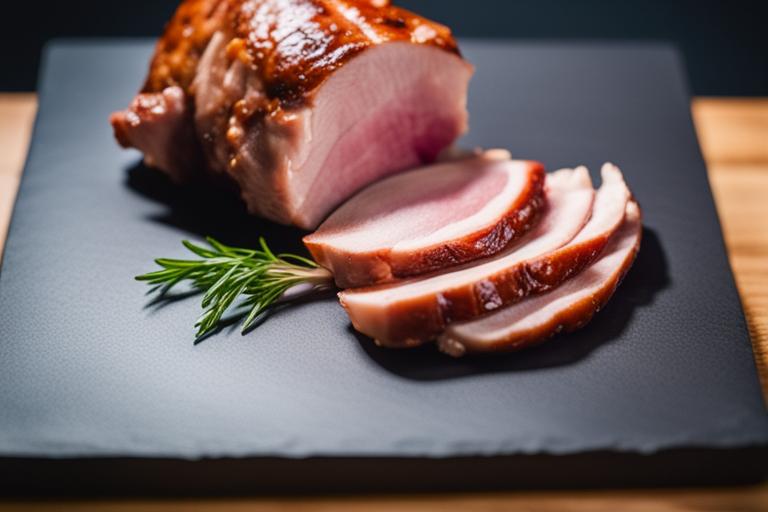
Understanding the Pork Shoulder Butt
Before we dive into the probing techniques, let’s take a moment to understand the pork shoulder butt itself. Pork shoulder butt, also known as pork butt or Boston butt, is a flavorful and versatile cut of meat that comes from the upper shoulder area of the pig. Despite its name, it is not actually from the rear end of the pig. The pork shoulder butt is well-marbled with fat and contains a good amount of collagen-rich connective tissue, which gives it its characteristic flavor and texture.
Differentiating between bone-in, boneless, and skin-on cuts
When purchasing pork shoulder butt, you may come across different variations, such as bone-in, boneless, or skin-on cuts. Each option has its own advantages and considerations when it comes to cooking and probe placement.
| Cut | Advantages | Considerations
Frequently Asked Questions
Who should probe the pork shoulder butt?
Anyone cooking pork shoulder should use a meat thermometer.
What is the purpose of probing a pork shoulder butt?
Probing ensures the meat is cooked to a safe internal temperature.
How do you properly probe a pork shoulder butt?
Insert a meat thermometer into the thickest part, avoiding bones.
What if I don’t have a meat thermometer to probe the pork shoulder butt?
It’s recommended to invest in a meat thermometer for accurate results.
Where should I probe the pork shoulder butt for the best reading?
Insert the meat thermometer into the center, away from fat or bone.
Isn’t it enough to just visually check the doneness of the pork shoulder butt?
Visual cues aren’t reliable, so using a meat thermometer is essential.
Follow us!!