If you own a pressure washer, you might be wondering what type of fuel is best for your machine. The most common fuel type used in gas-powered pressure washers is regular gasoline, also known as unleaded gasoline. In this article, we will explore the topic of using regular gas in pressure washers, the differences between regular gasoline and ethanol-blended gasoline, and the benefits and potential negative effects of using regular gas in your pressure washer.
Using Regular Gas in Pressure Washers
Learn about the use of regular gasoline in pressure washers with these key points:
– Gas-powered pressure washers use regular gasoline
– Regular gas is cost-effective and has improved performance
– Regular maintenance and safety precautions should be taken when using gas-powered pressure washers.
Types of Pressure Washers
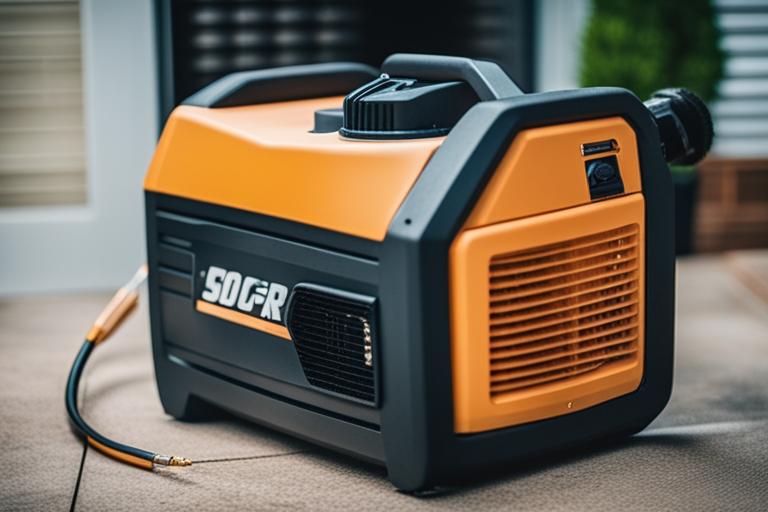
Before we dive into the fuel types, let’s first discuss the two main types of pressure washers: gas-powered and electric-powered. Gas-powered pressure washers are typically more powerful and can handle tougher cleaning jobs, while electric-powered pressure washers are generally more lightweight and easier to maneuver. Electric-powered pressure washers are also more eco-friendly, producing fewer emissions than their gas-powered counterparts.
Types of Fuel Used in Pressure Washers
Gasoline is the most common fuel type used in gas-powered pressure washers, but there are different types of gasoline that can be used. Regular gasoline is made up of hydrocarbons and is free of ethanol. Ethanol-blended gasoline, on the other hand, is a mixture of gasoline and ethanol, with ethanol typically making up 10% of the blend. Ethanol is added to gasoline to reduce emissions and improve efficiency.

Regular Gasoline vs Ethanol-Blended Gasoline
While ethanol-blended gasoline can improve fuel efficiency and has a longer shelf life, it can also be more corrosive and lead to engine damage if left in the machine for extended periods of time. In contrast, regular gasoline is generally cheaper than ethanol-blended gasoline, but it also has a shorter shelf life.
When it comes to using these gasoline types in pressure washers, regular gasoline is generally recommended as it is less likely to cause damage to the machine. However, some pressure washers are designed to run on ethanol-blended gasoline, so it’s important to check your machine’s manual before deciding on a fuel type.
Benefits of Using Regular Gas in Pressure Washers
Using regular gas in your pressure washer can have several advantages. For one, it is generally cheaper than ethanol-blended gasoline, making it a more cost-effective option. Additionally, regular gas can improve the performance of your pressure washer as it burns cleaner and produces fewer emissions than ethanol-blended gasoline. Regular gas also has environmental benefits as it produces fewer emissions, making it a more eco-friendly option.

Potential Negative Effects of Ethanol-Blended Gasoline on Pressure Washers
When it comes to ethanol-blended gasoline, it can cause engine damage if left in the machine for extended periods of time. Ethanol can absorb water, which can lead to corrosion and damage to the engine. Additionally, ethanol-blended gasoline can be more corrosive and lead to damage to the fuel lines and carburetor, which can further damage the engine.
Case Study: Choosing the Right Gasoline for Your Pressure Washer
Meet John, a homeowner who recently purchased a pressure washer to clean his driveway and patio. Like most homeowners, John was unsure about the type of gasoline he should use in his pressure washer. He was considering using regular gasoline, but he was not sure if it was safe to do so.
After reading various articles and consulting with his neighbor, a mechanic, John decided to use regular gasoline in his pressure washer. He found that regular gasoline was cost-effective and widely available. John filled up his pressure washer with regular gasoline and started cleaning his driveway.
John was pleased with the performance of his pressure washer. He found that the regular gasoline helped his pressure washer run smoothly and efficiently. Moreover, he saved money by using regular gasoline instead of ethanol-blended gasoline, which was more expensive.
However, John encountered some issues with his pressure washer after a few months of use. He noticed that the pressure washer was emitting black smoke and producing a strong gasoline smell. John realized that he had not been maintaining his pressure washer properly, and he needed to clean the air filter and change the oil.
After cleaning the air filter and changing the oil, John’s pressure washer ran smoothly again. He learned that regular maintenance was crucial for the safe and efficient operation of his pressure washer.
John’s experience highlights the importance of choosing the right gasoline for your pressure washer and maintaining it properly. Using regular gasoline can be a cost-effective and efficient option for pressure washer owners. However, it is important to follow the manufacturer’s recommendations and perform regular maintenance to ensure the safe and effective operation of your pressure washer.

Maintenance and Safety Tips
If you decide to use regular gas in your pressure washer, there are a few maintenance and safety tips you should be aware of. First, it’s important to properly maintain your machine by changing the oil regularly and keeping the air filters clean. It’s also important to follow safety guidelines when using a gas-powered pressure washer, such as wearing protective gear and keeping the machine away from flammable materials.
If you experience any issues with your pressure washer, common troubleshooting tips include checking the fuel filter, cleaning the spark plug, and making sure the fuel tank is properly vented.
Conclusion
In conclusion, regular gas is the most commonly used gasoline type in pressure washers, and it is generally recommended over ethanol-blended gasoline to avoid potential engine damage. Using regular gas in your pressure washer can be a cost-effective and eco-friendly option, and it can improve the performance of your machine. By following proper maintenance and safety guidelines, you can ensure your pressure washer runs smoothly and efficiently for years to come.
| Gasoline Type | Composition | Shelf Life | Corrosiveness | Environmental Impact | Recommended for Pressure Washers |
|---|---|---|---|---|---|
| Regular Gasoline | Hydrocarbons, no ethanol | Shorter | Less corrosive | Produces fewer emissions | Yes |
| Ethanol-Blended Gasoline | Mixture of gasoline and ethanol | Longer | More corrosive | Can be more harmful to the environment | Some pressure washers only |
Common Questions
Question: Who can use pressure washers with regular gas?
Answer: Homeowners who want to clean their property.
Question: What type of gas do pressure washers use?
Answer: Most pressure washers use regular gasoline.
Question: How much gas do pressure washers consume?
Answer: Pressure washers can consume up to 0.75 gallons of gas per hour.
Question: Who benefits from using a pressure washer?
Answer: Homeowners who want to clean their decks, patios, and driveways.
Question: What are the benefits of using a pressure washer?
Answer: Pressure washers are efficient, saves time, and removes tough stains.
Question: How can I overcome the objection of gas expenses?
Answer: Use a pressure washer that runs on electricity instead of gas.
Follow us!!