Are you tired of serving dry and tough brisket? One of the most common problems when cooking brisket is that it can be done too early, resulting in an unpleasant texture and taste. In this article, we will explore the reasons why brisket can be done too early, how to check if it’s done, and most importantly, how to fix it.
Fixing Brisket Done Too Early
- Reasons for why brisket might be done too early
- Different ways to fix brisket that is done too early
- Tips on how to add more flavor and keep the brisket moist and tender

Understanding Brisket
Brisket, a staple of Southern cuisine, is known for its rich flavor and tender texture. Brisket comes from the chest of a cow and is a tough muscle that requires low and slow cooking to break down the connective tissues and become tender. Brisket is sold in two different cuts: the point cut and the flat cut. The point cut is fattier and has more marbling, while the flat cut is leaner and easier to slice.
Cooking time for brisket can vary depending on the size of the cut and the cooking method used. Generally, it takes about 1-1 1/2 hours per pound of brisket to cook at a temperature of 225-250 degrees Fahrenheit. Factors that can influence cooking time include the temperature of the smoker or oven, the thickness of the brisket, and the fat content.
Reasons for Brisket Being Done Too Early
One of the main reasons for brisket being done too early is underestimating the cooking time. The size and thickness of the brisket, as well as the cooking method, can all affect the cooking time. Improper temperature regulation can also cause the brisket to cook too quickly on the outside and remain tough on the inside. It’s essential to monitor the temperature of the smoker or oven throughout the cooking process and make adjustments as needed.
Choosing the right size brisket for the recipe is also crucial. A brisket that is too small for the recipe can cook too quickly and be done before it reaches the ideal temperature. On the other hand, a brisket that is too large can take longer to cook and increase the risk of it being overcooked.

How to Check if Brisket is Done
The best way to check if brisket is done is to use a meat thermometer. Insert the thermometer into the thickest part of the brisket, making sure not to touch the bone. The temperature should read between 195-205 degrees Fahrenheit.
Other methods of checking for doneness include the bend test and the toothpick test. For the bend test, use tongs to pick up the brisket from the middle. If it bends easily without breaking, it’s done. For the toothpick test, insert a toothpick into the thickest part of the brisket. If it slides in easily, it’s done.

How to Fix Brisket Done Too Early
If the brisket is done too early, there are several ways to fix it. One method is to braise the brisket. Place the brisket in a roasting pan with beef broth and vegetables. Cover it with foil and cook it in the oven at 350 degrees Fahrenheit for 2-3 hours until it’s tender.
Another way to fix brisket that is done too early is to slice it thinly and serve it in a sandwich or wrap. This method works well if the brisket is only slightly dry and tough.
To add more flavor to the brisket, consider adding a barbecue sauce or a dry rub. This can help to mask any dryness or toughness and make the brisket more enjoyable.
Tips for keeping the brisket moist and tender include wrapping it in foil during the cooking process, using a water pan in the smoker or oven, and letting it rest for at least 30 minutes after cooking before slicing.
Preventing Brisket from Being Done Too Early
| Storage Method | Duration |
|---|---|
| Fridge (cooked) | Up to 4 days |
| Freezer (cooked) | Up to 3 months |
To prevent brisket from being done too early, use a meat thermometer to monitor the cooking temperature. Make sure to allow enough time for the brisket to cook, and prepare it properly before cooking to enhance the flavor. Other tips for preventing brisket from being done too early include trimming the fat cap to an even thickness, using a dry rub or marinade, and using an injector to add moisture and flavor to the brisket.
Regulating the temperature during the cooking process is crucial to prevent undercooked brisket. Keep the cooking temperature between 225-250 degrees Fahrenheit and avoid opening the lid of the smoker or oven frequently as it can cause fluctuations in temperature.
The Tale of the Overeager Pitmaster
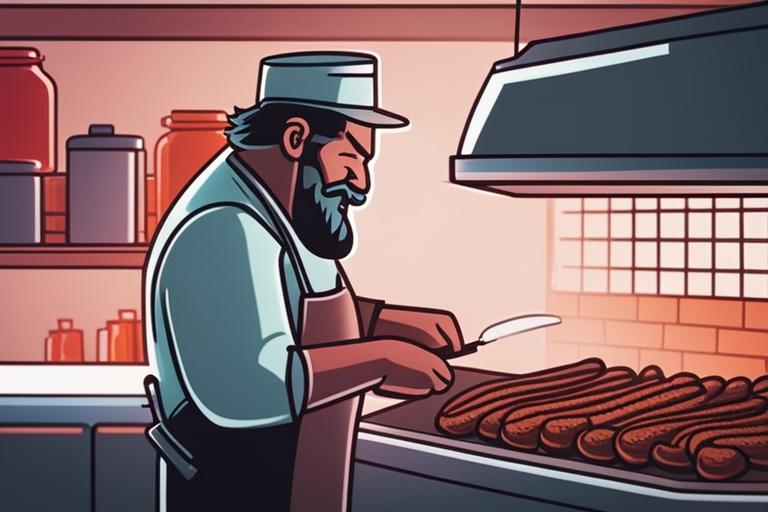
One day, John had invited his friends over for a backyard BBQ party. He had been excitedly preparing his famous brisket recipe for days. John had chosen a smaller brisket for the recipe, confident that it would cook in time for the party.
On the day of the event, John woke up early to start cooking the brisket. He carefully trimmed it, seasoned it, and put it on the smoker. John monitored the temperature closely and was confident that he was on the right track.
As the party time approached, John checked the temperature and saw that the brisket was done much earlier than expected. He panicked and decided to take it off the smoker, thinking that it would continue to cook in residual heat.
However, when John sliced into the brisket, he realized that it was dry and tough. He had fallen prey to the common mistake of taking the brisket off the heat too early. John was embarrassed, and his guests were disappointed.
John learned an important lesson that day. He realized that brisket needs to be cooked low and slow, and that he should have chosen a larger cut of meat to avoid being done too early. He also learned that he could have fixed the problem by braising the brisket in liquid, which would have made it moist and flavorful again.
John’s tale is a cautionary one, but it also shows that mistakes can be turned into learning opportunities. With practice and patience, John was able to perfect his brisket recipe, and he is now known as the pitmaster among his friends.
Storing Brisket
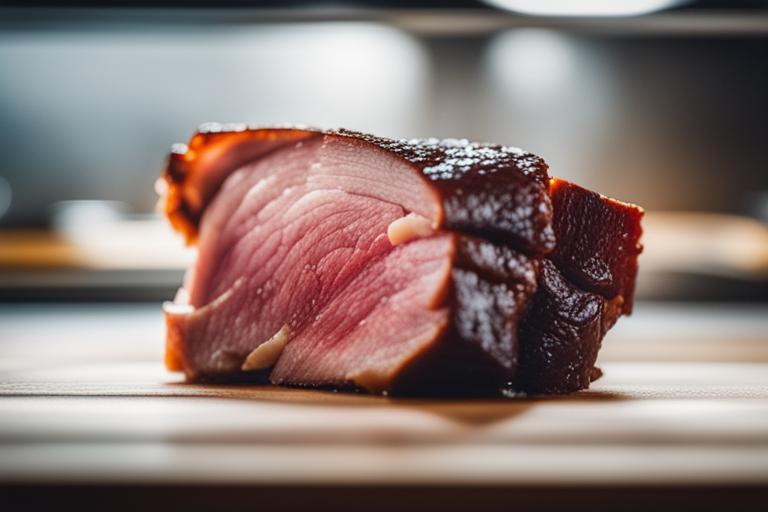
Proper storage of brisket is important to maintain its taste and texture. After cooking, wrap the brisket tightly in foil or store it in an airtight container. Brisket can be stored in the fridge for up to four days or in the freezer for up to three months.
When reheating brisket, it’s important to do it slowly to prevent it from drying out. Place the brisket in a preheated oven at 250 degrees Fahrenheit. Cover it with foil to prevent it from drying out. Heat it until it’s warm all the way through, usually about 30-45 minutes.
Conclusion
Cooking brisket can be a challenging and rewarding experience. While it’s frustrating when brisket is done too early, there are several ways to fix it and prevent it from happening in the future. By using a meat thermometer, monitoring the cooking temperature, and taking the time to prepare the brisket properly, you can ensure that your brisket is moist and flavorful every time. Don’t be afraid to try new recipes and methods, and always remember to store your brisket properly to maintain its taste and texture.
Common Questions
Who can help me salvage my brisket if it’s done too early?
A professional chef or experienced pitmaster can help salvage your brisket.
What are some ways to keep my brisket warm if it’s done too early?
Wrap it in foil and towels, place it in a cooler, or keep it in a warm oven.
How can I prevent my brisket from being done too early?
Use a meat thermometer to monitor its temperature and adjust cooking time accordingly.
What can I do if my brisket is dry because it’s done too early?
Wrap it in foil or butcher paper and let it rest for at least 30 minutes to redistribute the juices.
How long can I keep my brisket warm before serving it?
Up to 4 hours if it’s wrapped in foil and towels and stored in a cooler.
What if my guests complain about the brisket being done too early?
Apologize and explain that you wanted to ensure it was fully cooked and offer to reheat it.
Follow us!!